Mastering Minimalism: Clean Interior Design Tips That Work minimalism is more than just a design trend; it’s a lifestyle. In the context of interior design, it’s about creating spaces that are simple, functional, and uncluttered, allowing for an atmosphere of tranquility and clarity. Minimalist interior design focuses on reducing excess, stripping away the non-essential, and prioritizing what truly matters. But achieving this clean, serene aesthetic can be challenging if not approached thoughtfully. To truly master minimalism, it’s essential to embrace not only the aesthetic but also the principles behind it. This guide offers key tips on how to achieve a stunning minimalist interior that’s both beautiful and practical.

1. Prioritize Functionality Over Excess
At the heart of minimalist interior design lies a functional approach. The goal isn’t just to create a visually appealing space, but to ensure each item serves a purpose. When approaching a minimalist design, it’s important to assess the utility of each piece. If an item doesn’t serve a clear function, it’s time to part ways with it.
Start by selecting furniture that combines form and function. For instance, choose pieces with built-in storage to eliminate the need for clutter. Look for multifunctional furniture, such as foldable desks or coffee tables with hidden compartments, that provide practical solutions while maintaining a clean look. By focusing on functionality, your home will remain uncluttered and efficient, aligning perfectly with the minimalist philosophy.
2. Choose a Neutral Color Palette
The color palette you select plays a pivotal role in crafting a minimalist atmosphere. In minimalist interior design, neutral tones reign supreme. Shades of white, beige, gray, and soft earth tones create a calm, balanced environment and provide a blank canvas for the space. These colors help to open up the room, making it feel more expansive and serene.
However, minimalist design doesn’t mean an absence of color entirely. Accent colors can be strategically introduced to add depth and interest. For instance, a splash of deep green, rich blue, or even a metallic accent like gold can break up the neutral tones and give the room a modern, sophisticated flair. The key is moderation—small doses of color in art, throw pillows, or rugs can create visual interest without overwhelming the space.
3. Embrace Open Spaces
One of the most striking features of minimalist interior design is the abundance of open, uncluttered space. The more space you have, the less crowded and more peaceful the room feels. To achieve this, prioritize spaciousness by limiting the amount of furniture and decor.
Consider the layout of each room carefully. Open-plan spaces work particularly well in minimalist designs, allowing the living, dining, and kitchen areas to flow into one another. Keep walkways clear and avoid overcrowding areas with unnecessary furniture. If your space is small, try to use fewer but larger furniture pieces to make the room appear more spacious, rather than cramming it with smaller, less functional items.
4. Opt for Simple, Sleek Furniture
Minimalism in furniture design emphasizes clean lines and simple forms. Minimalist interior design typically avoids ornate details or excessive decoration. Instead, look for furniture that exudes understated elegance. Think straight edges, neutral colors, and materials like wood, metal, and glass.
Avoid heavy, bulky pieces that might dominate the space. Instead, opt for furniture that is light, functional, and easy to move. A sleek sofa, a streamlined dining table, and simple chairs without intricate designs will maintain a sense of openness and flow within the room. Choose pieces that serve as both art and utility—furniture that adds to the aesthetic without drawing attention away from the overall minimalist vision.
5. Focus on Decluttering
The minimalist ethos is all about stripping away what doesn’t serve a purpose. This principle can be particularly challenging in homes that accumulate items over time. To truly embrace minimalist interior design, begin by decluttering your space.
Start small—perhaps by going through one room or even a single shelf at a time. Be honest with yourself about what you use regularly and what you can do without. Aim to keep only items that are functional or hold significant personal value. Storage solutions, such as baskets, drawers, and hidden compartments, can help keep necessary items neatly tucked away, out of sight but still accessible.
Consider the benefits of keeping surfaces clean and free from distractions. A single, simple vase on a table can make a more profound statement than a collection of knick-knacks or multiple objects scattered about. By minimizing what’s on display, the few carefully chosen pieces that remain can truly shine.
6. Incorporate Natural Materials
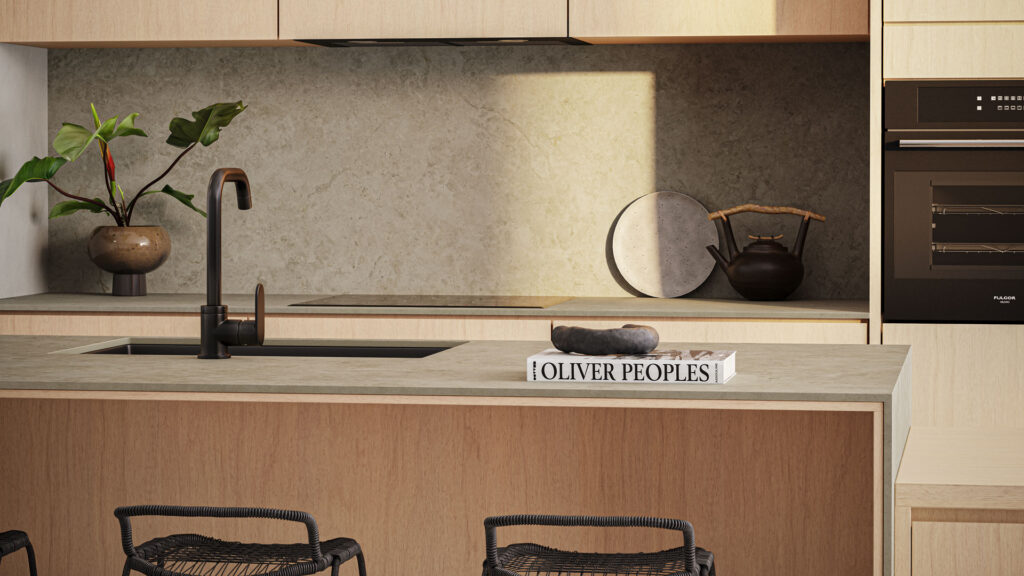
Natural materials are a fundamental element of minimalist interior design. Wood, stone, linen, and wool not only add texture and warmth to a space but also bring a sense of timelessness and authenticity. These materials tend to have a calming, organic quality that enhances the minimalist aesthetic.
Opt for furniture and decor made from natural materials—wooden coffee tables, stone countertops, and linen cushions, for example. The subtle imperfections in these materials make each piece unique, while their natural hues complement a neutral color palette. Incorporating plants into the space also works well, as greenery adds life and vibrancy to a minimalist room without overwhelming it.
7. Use Light to Create Ambience
Lighting plays a critical role in minimalist interior design, both functionally and aesthetically. In a minimalist setting, the right lighting can enhance the space, creating warmth and mood without cluttering the room with unnecessary fixtures.
Choose light fixtures that are simple and elegant—think pendant lights, floor lamps, or recessed lighting. Ambient light should be your focus, with soft, diffused lighting creating a relaxed atmosphere. Avoid harsh, bright lights that might make the space feel sterile. Instead, opt for adjustable lighting that allows you to control the intensity and direction of light depending on the time of day or desired ambiance.
Natural light should also be prioritized wherever possible. Large windows or glass doors that invite daylight into the room can transform a space, making it feel brighter and more inviting.
8. Create a Sense of Balance and Symmetry
Balance and symmetry are crucial elements in minimalist interior design. A room that feels unbalanced or chaotic won’t evoke the peaceful, serene feeling that minimalism is known for. Every item in the room should be intentionally placed, contributing to the overall harmony of the space.
When arranging furniture, try to create symmetrical layouts. This doesn’t mean everything has to match perfectly, but maintaining balance in the room can make the space feel more cohesive. For instance, place two identical lamps on either side of a sofa or arrange artwork in a way that evenly distributes visual weight across the wall. A well-balanced room feels more grounded and organized, making it the perfect embodiment of minimalist principles.
9. Use Art as a Focal Point
In minimalist interior design, artwork can be an effective way to introduce personality into a space. However, it’s important that art serves as a focal point rather than overwhelming the room. Choose pieces that are simple, abstract, or monochromatic to complement the minimalist aesthetic.
Instead of filling every wall with art, consider dedicating a single wall to a large piece or a curated selection of smaller works. A well-placed piece of art can elevate the space, adding depth and character without detracting from the minimalist vibe. Look for art that enhances the overall color scheme and brings a sense of calm to the room.
10. Maintain Consistency Across the Space
Consistency is key in minimalist interior design. The design should flow seamlessly from one room to another, with similar design elements and color palettes tying everything together. This consistency creates a sense of unity and calm throughout the entire space.
When designing a minimalist home, use a limited range of materials, colors, and furniture styles to ensure that the aesthetic remains cohesive. This doesn’t mean every room needs to be identical, but subtle recurring elements—such as a consistent color palette or similar materials—will give the space a harmonious feel.
Mastering minimalist interior design is about more than just removing clutter—it’s about creating a space that feels balanced, functional, and serene. By prioritizing functionality, embracing neutral tones, focusing on natural materials, and incorporating smart design choices, you can transform any room into a minimalist sanctuary. With careful planning and thoughtful curation, your space will not only look stunning but will also reflect the peace and tranquility that defines minimalist living.
About the Author